Adorable and Spiky: The Cute Porcupine Cartoon Graphic
More Than Just a Cute Face: Unlocking the Graphic's Character
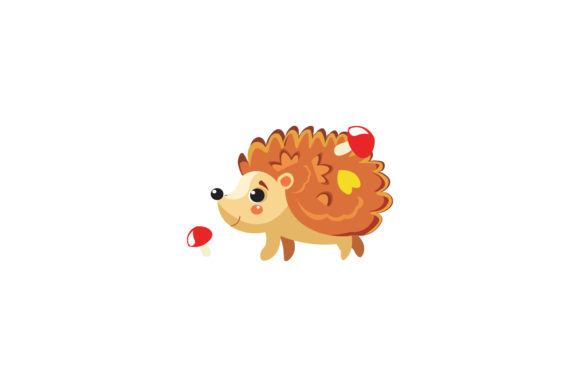
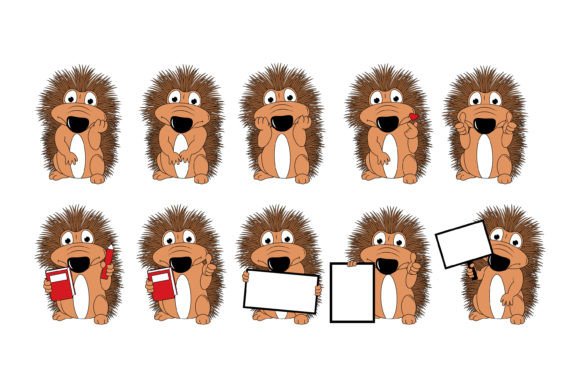
You’ve probably seen a hundred generic animal icons, but the Cute Porcupine Animal Cartoon Graphic stops you in your tracks. It’s that rare design asset that balances whimsy with genuine personality. This isn't a stiff, corporate mascot; it’s a character with a story. The visual style typically features soft, rounded forms that contrast cleverly with the iconic spines, creating an approachable yet interesting silhouette. The eyes are often large and expressive, giving it a friendly, curious demeanor that works across ages. The overall appeal lies in this duality—it’s cute enough for a children’s brand but sophisticated enough, through clean lines and a thoughtful color palette, for a modern startup. It’s a premium design asset that feels handcrafted and full of life.
Strategic Applications: Where This Graphic Truly Shines
Understanding where to deploy the Cute Porcupine Animal Cartoon Graphic is key to maximizing its value. Its versatility is its strength, but context is everything.
- Brand Identity & Logo Design: For businesses in pet care, children's education, eco-friendly products, or artisan crafts, this graphic can become the cornerstone of a memorable brand identity. It conveys warmth, resilience (thanks to the spines), and a touch of playful intelligence. A bakery named "Prickly Pear" or a kids' coding camp could build an entire visual language around it.
- Packaging & Product Design: Imagine this charming porcupine on a coffee bag, a box of gourmet snacks, or a line of organic skincare. It immediately humanizes the product and creates shelf appeal. In packaging design, it can serve as a focal point that tells a brand story without words, connecting with consumers on an emotional level.
- Digital & Social Media Graphics: In the endless scroll of social media, character-driven visuals stop thumbs. Use the graphic for profile avatars, animated story stickers, blog post headers, or email newsletter graphics. It adds a consistent, recognizable face to your digital presence, boosting engagement and making your content more shareable. It’s a perfect fit for web design elements that need personality.
- Editorial & Publishing: Bloggers and publishers can use it to create a unique mascot for a series, illustrate articles about wildlife, nature, or even business resilience (a "prickly" topic made friendly). It works beautifully in editorial design for magazines, e-books, or educational materials where a touch of whimsy enhances the narrative.
- Merchandise & Craft Projects: From t-shirts and tote bags to stickers and greeting cards, the graphic translates wonderfully to physical products. For crafters and hobbyists, it’s a ready-made design for embroidery patterns, scrapbooking, or custom invitations, adding a professional and charming touch to personal projects.
The Psychology of Appeal: How a Cartoon Influences Perception
Never underestimate the power of a well-chosen character graphic. The Cute Porcupine Animal Cartoon Graphic does more than decorate; it communicates. The "cute" factor triggers positive emotions and builds instant rapport with your audience. The porcupine itself, often seen as a defensive creature, is reinterpreted here as approachable—a clever visual metaphor for a brand that is both protective and friendly, or a product that is both natural and effective. This duality influences brand perception, making a business seem more relatable and trustworthy.
In terms of visual hierarchy, a strong character graphic naturally draws the eye, serving as a primary focal point in your layout. This allows supporting text and other design assets to organize themselves around it, creating a clear and engaging flow for the viewer. For audience engagement, characters foster connection. People remember stories and faces more easily than abstract logos, leading to better brand recall and loyalty.
Practical Guide: Integrating the Asset into Your Workflow
Getting the most out of this graphic involves more than just pasting it onto a canvas. Here’s how to approach it professionally.
- Evaluate Project Fit: Before you start, ask if the graphic's personality aligns with your project's tone. Is your brand voice playful, educational, or artisanal? Does the porcupine's character support that message? It’s a creative font in visual form—match it to the right context.
- Master the File Formats: The ZIP file you receive is a toolkit. The Ai and EPS files are vector formats—your best friends for scaling to any size without losing quality, perfect for large prints or detailed logo work. The PNG files (likely with transparent backgrounds) are ideal for digital use in web design, social media, and presentations. The JPG is great for quick mockups or when a background is needed. Use them wisely.
- Consider Font Pairing: To create a complete brand identity, you’ll need to pair this graphic with typography. Since the graphic is characterful, consider balancing it with a clean, readable sans serif font for body text. For a more playful vibe, a script font or handwritten font could work for headlines, but test for readability. The goal is harmony, not competition.
- Test for Versatility: Don’t just use it once. See how it looks in a single color (like black or white) for applications like embossing or simple stamps. Try it at a very small size to ensure its features remain clear, which is crucial for things like favicons or tiny social icons.
- Understand Licensing: As a commercial font and design asset, it typically comes with a license that permits use in both personal and commercial projects. However, always review the specific terms. Can you use it in a logo for a client? Can you sell merchandise featuring it? Knowing the rules ensures you use this premium font asset correctly and professionally.
Ultimately, the Cute Porcupine Animal Cartoon Graphic is more than a clipart image. It’s a versatile piece of modern typography and illustration that can inject personality, emotion, and memorability into a wide array of projects. By understanding its strengths and applying it thoughtfully, you turn a charming design element into a powerful tool for communication and connection.